
Sunsama Vs Motion: Ultimate Battle for Productivity Mastery
Struggling to find the perfect productivity tool that fits your unique work style? You’re not alone.
When it comes to managing your tasks and calendar effectively, Sunsama and Motion stand out as two powerful options—but they take very different approaches. If you want to plan your day with intention, feel calm, and stay focused without burnout, Sunsama offers a simple, mindful way to organize your work. On the other hand, if your schedule is packed, constantly shifting, and you crave an AI assistant that automatically adjusts your tasks and meetings, Motion might be the solution you need. Which one is right for you? In this detailed Sunsama vs Motion comparison, you’ll discover how each tool handles scheduling, task management, and work-life balance. By the end, you’ll know exactly which app matches your workflow and helps you get more done—without the stress. Ready to explore a calmer, more focused way to plan your day? Check out Sunsama here: Start your journey with Sunsama.

Credit: thebusinessdive.com
Introduction To Sunsama And Motion
Choosing the right productivity tool helps you manage your work better. Sunsama and Motion offer unique ways to plan your day. Both aim to improve focus and reduce stress. Understanding their core ideas helps pick the best fit for your style.
Overview Of Sunsama’s Purpose And Philosophy
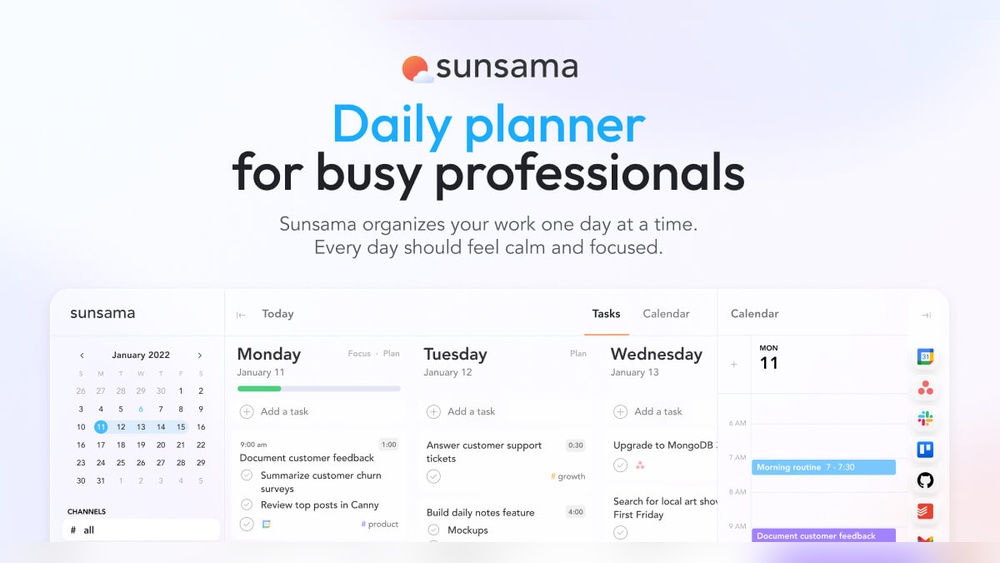
Sunsama is a digital daily planner for modern professionals. It combines task management, calendar, and daily planning in one place. The goal is to create a calm and focused workday.
Sunsama encourages a mindful, manual approach. Users drag and drop tasks to plan their day carefully. This method promotes a daily “shutdown” ritual to end work feeling accomplished and relaxed.
- Focus on high-impact work without burnout
- Helps maintain work-life balance
- Supports intentional and calm planning
Overview Of Motion’s Purpose And Philosophy
Motion uses artificial intelligence to manage your tasks automatically. It schedules and reschedules tasks based on your calendar and priorities. This tool fits busy professionals with changing workloads.
Motion offers a “set-it-and-forget-it” experience. The AI adapts your schedule if meetings run late or new tasks appear. It reduces manual planning effort and handles complexity for you.
- Automates task prioritization and scheduling
- Adjusts plans dynamically with AI
- Ideal for managers and teams with heavy workloads
Why Comparing These Productivity Tools Matters
Both Sunsama and Motion serve productivity but with different approaches. Sunsama suits those who prefer a calm and hands-on planning style. Motion helps users who want automation and flexibility.
Choosing between them affects your daily workflow and stress levels. A tool that fits your work habits boosts focus and efficiency. Knowing their strengths guides better decisions for your productivity needs.
| Feature | Sunsama | Motion |
|---|---|---|
| Planning Style | Manual, mindful drag-and-drop | Automatic AI scheduling |
| Best For | Individuals seeking calm and focus | Busy professionals and teams |
| Scheduling | Daily shutdown ritual | Dynamic rescheduling by AI |
| Stress Management | Encourages intentional work | Reduces manual planning load |

Credit: www.youtube.com
Unique Scheduling Approaches And Their Benefits
Scheduling tools shape how we manage time and tasks daily. Sunsama and Motion offer distinct methods to handle work, each with clear benefits. Sunsama centers on mindful, hands-on planning to create calm and focus. Motion relies on AI to automate task prioritization and adapt schedules instantly. Both methods help users, but in different ways.
Sunsama’s Manual, Mindful Daily Planning And Shutdown Ritual
Sunsama invites users to plan their day manually with a drag-and-drop interface. This hands-on approach encourages reflection on priorities and limits distractions. Users pick tasks thoughtfully, creating a balanced workload that feels manageable.
The daily shutdown ritual is a key feature. At day’s end, users review completed work and plan for tomorrow. This helps close the workday calmly and reduces burnout by promoting clear boundaries.
- Manual task selection enhances focus and intentionality.
- Daily shutdown supports mental rest and work-life balance.
- Encourages a calm, organized mindset for daily work.
Motion’s Ai-driven Automatic Task Prioritization And Rescheduling
Motion uses artificial intelligence to schedule and adjust tasks automatically. It scans calendars, deadlines, and priorities to place tasks in optimal time slots. If meetings run late or priorities shift, Motion reschedules tasks without user input.
This approach suits busy professionals with unpredictable workloads. It reduces time spent on planning and helps keep the day flexible yet productive.
- AI handles task prioritization based on urgency and importance.
- Automatic rescheduling adapts to real-time changes smoothly.
- Minimizes manual planning, saving time and effort.
How Each Approach Solves Different Scheduling Challenges
| Challenge | Sunsama’s Manual Approach | Motion’s AI Approach |
|---|---|---|
| Feeling overwhelmed by tasks | Limits tasks chosen daily; encourages focus on few priorities. | Automatically prioritizes tasks, reducing decision fatigue. |
| Adapting to schedule changes | Requires manual adjustments, fostering awareness of workload. | Reschedules tasks instantly when plans shift. |
| Maintaining work-life balance | Daily shutdown ritual helps separate work and personal time. | AI keeps calendar updated but relies on user boundaries. |
| Time spent on planning | More time upfront for mindful planning and control. | Less planning time needed; AI automates most scheduling. |
Both approaches meet different needs. Sunsama suits users who want calm and control through mindful planning. Motion benefits those needing agility and less manual effort in scheduling.
Credit: theprocesshacker.com
Frequently Asked Questions
What Are The Main Differences Between Sunsama And Motion?
Sunsama offers manual, mindful daily planning focused on work-life balance. Motion uses AI to auto-schedule and adapt tasks in real time. Sunsama suits intentional planners, while Motion fits busy professionals with chaotic schedules.
Which Tool Is Better For Managing Shifting Deadlines?
Motion is better for shifting deadlines because it auto-reschedules tasks using AI. Sunsama requires manual adjustments, making it less ideal for constantly changing workloads.
How Do Sunsama And Motion Handle Task Integration?
Sunsama aggregates tasks from Jira, Trello, and Asana into one daily list. Motion includes built-in meeting booking and automates project deadlines, offering more comprehensive calendar management.
What Is The Learning Curve For Sunsama Vs Motion?
Sunsama has a low learning curve with a clean, user-friendly interface. Motion’s setup is more complex and may overwhelm beginners due to its AI features.
Conclusion
Both Sunsama and Motion offer strong productivity solutions for different needs. Sunsama helps you plan calmly and stay focused each day. Motion uses AI to manage busy, changing schedules automatically. Pick Sunsama for mindful daily planning and balance. Choose Motion for fast, hands-off calendar management. Find your fit and boost productivity without stress. Explore Sunsama’s approach to calm, clear planning here: https://lifetimedeallab.com/sunsama.