Sunsama Vs Asana: Ultimate Productivity Showdown 2026
Are you struggling to choose the right tool to organize your workday and boost your productivity? If juggling multiple tasks, deadlines, and projects feels overwhelming, you’re not alone.
That’s exactly why tools like Sunsama and Asana have become essential for professionals like you who want to start calm, stay focused, and end confident every day. But which one truly fits your style and needs? We’ll break down Sunsama and Asana side by side, helping you understand how each platform works, their unique features, and how they can transform your daily planning and project management. Whether you want a daily planner that guides you through your day or a robust project management system for your team, you’ll find the insights you need to make a smart choice. Ready to see how Sunsama can help you build calm, focused routines? Check it out here: Sunsama. Keep reading to find out which tool matches your workflow perfectly.

Credit: careerquestacademy.com
Introduction To Sunsama And Asana
Managing tasks and projects efficiently is essential in today’s busy work environment. Sunsama and Asana are two popular tools designed to help professionals stay organized and productive. Both have unique features and purposes that cater to different work styles and needs.
Overview Of Sunsama And Its Purpose
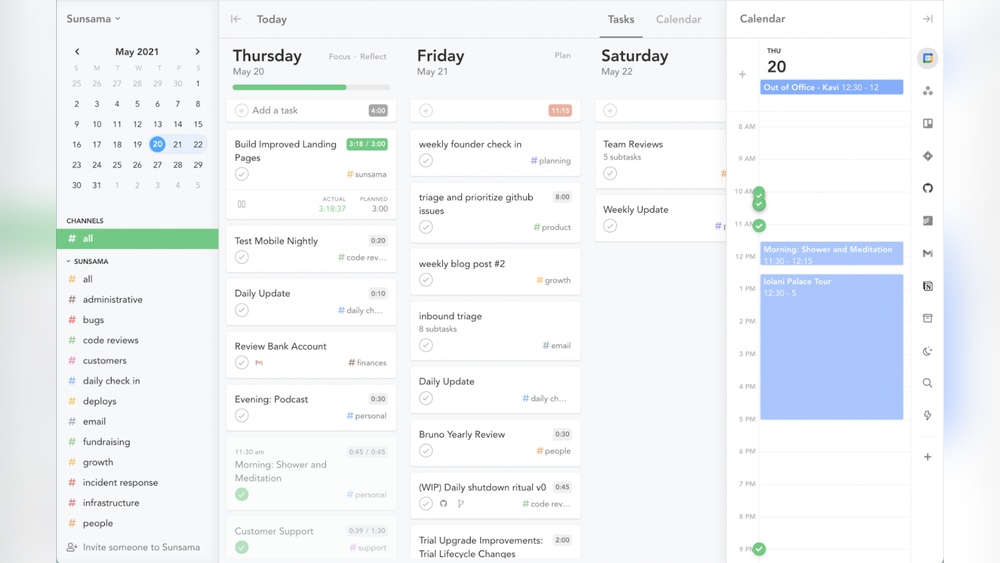
Sunsama is a digital daily planner focused on creating calm and focus throughout the workday. It helps users build structured daily routines by integrating tasks from multiple project management tools like Asana, Todoist, and Monday.com.
Sunsama emphasizes:
- Guided daily and weekly planning
- Time blocking to organize work hours
- Tracking actual time spent versus predicted time
- AI assistant support for better task management
The goal is to help users eliminate distractions, find flow, and do more high-impact work without burning out. Sunsama focuses on building productivity systems rather than just listing tasks.
Overview Of Asana And Its Purpose
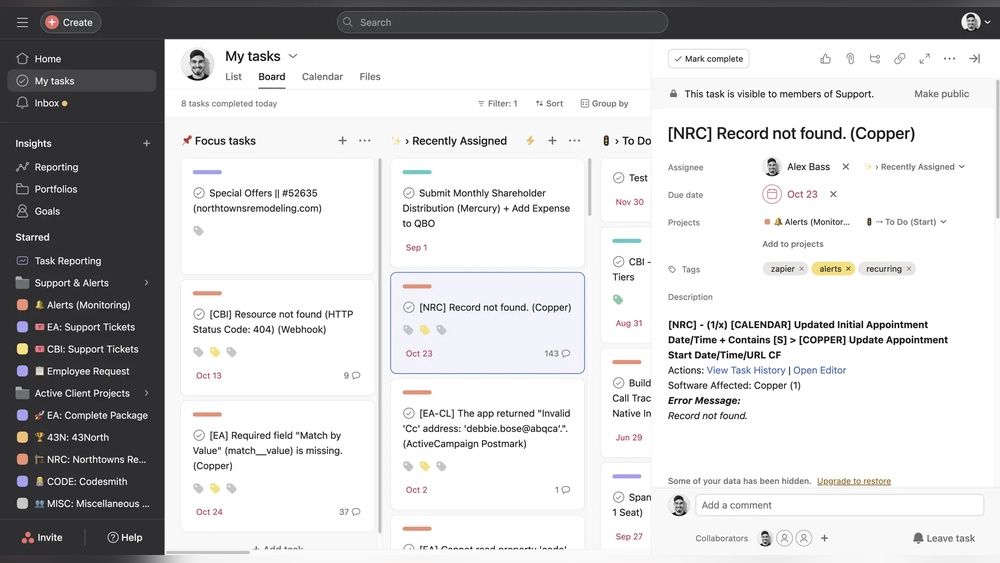
Asana is a comprehensive project management tool designed for organizing tasks, tracking projects, and facilitating team collaboration. It provides a traditional project management framework with strong navigation and integration features.
Key features include:
- Task and project management
- Team collaboration and communication
- Integration with various productivity tools, including Sunsama
- Support for complex workflows and project tracking
Asana suits teams and individuals managing multiple projects, helping them stay aligned and on schedule.
Why Compare Sunsama And Asana In 2026?
Both Sunsama and Asana serve productivity but in distinct ways. Sunsama focuses on daily planning and time management, while Asana handles project and team management.
In 2026, many professionals seek tools that combine calm focus with efficient project tracking. Comparing these tools helps users choose based on needs:
- Do you want a calm daily planner or a full project manager?
- Need integration of multiple task sources or better team collaboration?
- Prefer guided time blocking or detailed project workflows?
This comparison clarifies which tool fits specific workflows and productivity goals.

Credit: efficient.app
Key Features Of Sunsama
Sunsama offers a unique approach to daily planning and productivity. It helps users build structured routines by combining tasks from various tools into one focused workspace. The app emphasizes guided daily and weekly planning, making it easier to organize work without feeling overwhelmed. Its features aim to reduce distractions and improve focus, helping users complete high-impact tasks calmly and confidently.
Daily Planning And Time Blocking For Enhanced Focus
Sunsama guides users to plan their day with clear priorities. Each day is divided into blocks of time dedicated to specific tasks. This method, called time blocking, helps users stay focused on one task at a time. It reduces multitasking and interruptions.
- Create a daily plan by selecting tasks to work on.
- Assign specific time slots to each task.
- Adjust plans easily as priorities shift.
This approach helps maintain a calm, organized workflow and prevents burnout.
Seamless Integration With Tools Like Asana And Outlook
Sunsama connects smoothly with popular tools such as Asana, Outlook, Todoist, and Monday.com. This integration brings all tasks into one place for easier management.
| Tool | Integration Benefits |
|---|---|
| Asana | Sync tasks directly to Sunsama’s daily planner |
| Outlook | Combine calendar events with task planning |
| Todoist, Monday.com | Centralize all tasks for clear prioritization |
This connectivity saves time spent switching apps and keeps work organized.
Task Time Prediction And Tracking For Productivity Insights
Sunsama lets users estimate how long tasks will take before starting. After working, users can track the actual time spent.
- Set a time prediction for each task during planning.
- Track real time spent while working.
- Compare predictions with actual times to improve future estimates.
This feature helps users understand their work habits and improve time management. It supports creating realistic daily plans and increases productivity.
Key Features Of Asana
Asana offers a rich set of features designed to help teams manage projects and tasks efficiently. Its tools support clear organization, easy tracking, and smooth collaboration. These features make Asana a strong choice for teams needing structure and flexibility in their workflows.
Comprehensive Team Project Management Capabilities
Asana excels in managing complex projects across teams. It allows users to:
- Create projects with detailed tasks and subtasks
- Assign tasks to team members with deadlines
- Track progress using visual project timelines
- Organize work using boards, lists, or calendars
The platform supports multiple views, helping teams see tasks in ways that suit their style. This flexibility ensures better planning and execution.
Collaboration Tools To Streamline Team Communication
Clear communication is vital in team projects. Asana includes built-in tools to keep everyone connected:
- Task comments for direct discussion on work items
- File attachments to keep resources linked to tasks
- Team conversations to share updates and ideas
- Notifications to alert members of changes or deadlines
These features reduce email overload and keep conversations focused on specific tasks.
Customizable Workflows And Task Dependencies
Asana allows users to tailor workflows to fit project needs. Key functions include:
- Setting task dependencies to define order of work
- Creating custom fields to track unique project data
- Using templates for repeated workflows
- Automating routine actions to save time
These options help teams manage deadlines and avoid bottlenecks. Custom workflows improve team efficiency and project clarity.
Pricing And Affordability Breakdown
Understanding the pricing and value of Sunsama and Asana helps choose the right tool. Both offer distinct plans tailored to different users. This section breaks down their costs, features, and value propositions.
Sunsama’s Pricing Structure And Value Proposition
Sunsama offers a simple pricing model focused on individual users and professionals.
| Plan | Price | Key Features |
|---|---|---|
| Free Trial | 14 days | Full access to all features |
| Monthly | $20 per user |
|
| Annual | $16 per user (billed yearly) | Same as monthly but with discount |
Sunsama aims to help users build calm and focused daily routines. The price reflects its focus on quality planning and time management, not just task listing.
Asana’s Pricing Tiers And Included Features
Asana provides multiple pricing tiers catering to individuals, teams, and enterprises.
| Plan | Price | Key Features |
|---|---|---|
| Basic | Free |
|
| Premium | $10.99 per user/month (annual billing) |
|
| Business | $24.99 per user/month (annual billing) |
|
| Enterprise | Custom pricing | Security and control features |
Asana’s pricing fits a wide range of teams and project sizes. Free plan suits small teams. Paid plans add features for complex workflows.
Which Tool Offers Better Roi For Different User Types?
Individuals and Solo Professionals:
- Sunsama offers a focused daily planner with time management tools.
- The monthly cost is higher but includes AI assistance and deep integrations.
- Asana’s free plan works well for basic task tracking but lacks daily planning features.
Small to Medium Teams:
- Asana Premium provides collaboration, task dependencies, and project views.
- Pricing per user is lower compared to Sunsama’s single-user focus.
- Sunsama can complement Asana by improving individual productivity within teams.
Large Enterprises:
- Asana’s Business and Enterprise plans offer advanced portfolio and workload management.
- These plans justify cost by managing complex projects and many users.
- Sunsama’s pricing and features target personal workflow rather than large team projects.
Choosing the right tool depends on needs: structured personal planning or wide team project management. Sunsama suits those valuing calm focus and time blocking. Asana fits teams needing scalable task and project coordination.
Pros And Cons Based On Real-world Usage
Understanding the strengths and weaknesses of Sunsama and Asana helps choose the right tool. Both tools serve productivity but target different needs. Real users share insights about daily experiences with these platforms. This section covers the practical benefits and challenges found in real-world use.
Strengths And Limitations Of Sunsama In Daily Productivity
Sunsama stands out as a daily planner that helps build structured routines. It integrates tasks from multiple tools into one place.
- Strengths:
- Guided daily and weekly planning keeps users focused.
- Time blocking helps allocate specific periods to tasks.
- Integration with tools like Asana and Todoist centralizes task management.
- Time prediction and tracking increase awareness of actual work spent.
- AI suggestions assist in managing daily priorities.
- Limitations:
- Less suited for managing large, complex projects.
- Focuses on individual productivity rather than team collaboration.
- Some users find the interface limiting for broad project views.
Advantages And Challenges Of Using Asana For Project Management
Asana excels in organizing and tracking projects, especially in teams.
- Advantages:
- Robust task and project management features.
- Strong support for team collaboration and communication.
- Easy navigation and clear project workflows.
- Integration capabilities with many productivity tools, including Sunsama.
- Suitable for complex projects and multiple users.
- Challenges:
- Can be overwhelming for users focused on daily task planning.
- Less emphasis on time blocking or daily routine building.
- New users may face a learning curve due to many features.
User Feedback And Common Pain Points
| Aspect | Sunsama | Asana |
|---|---|---|
| Ease of Use | Simple, focused on daily planning | Feature-rich but complex interface |
| Task Management | Great for personal task flow | Strong for team projects |
| Time Management | Built-in time blocking and tracking | No native time blocking features |
| Collaboration | Limited team features | Robust team collaboration tools |
| Learning Curve | Low for daily users | Higher due to many options |
Common pain points include Sunsama’s limited project scope and Asana’s complexity for individual users. Users appreciate Sunsama’s calm, focused approach. Asana’s strength lies in managing teamwork and detailed workflows.
Ideal Users And Use Case Recommendations
Choosing between Sunsama and Asana depends on your work style and project needs. Each tool serves different purposes and suits specific users. Understanding who benefits most from each helps maximize productivity and focus.
Who Benefits Most From Sunsama’s Daily Planning Approach?
Sunsama works best for professionals who want a calm, focused daily workflow. It suits individuals who:
- Need to organize tasks from multiple tools into one daily plan
- Prefer guided planning with time blocking and routine building
- Wish to track time spent on tasks and improve work habits
- Seek to reduce distractions and focus on high-impact work
This tool fits freelancers, consultants, and knowledge workers aiming to stay centered during busy days. Sunsama’s focus on daily and weekly structure helps users end each day confident about their progress.
Best Scenarios For Leveraging Asana’s Collaborative Features
Asana shines in team environments managing complex projects. Ideal users include:
- Teams needing clear task assignment and project tracking
- Organizations requiring collaboration with real-time updates
- Managers who want to oversee multiple workflows and deadlines
- Projects involving cross-functional communication and integration
Its traditional project management framework supports teamwork and transparency. Asana fits businesses and groups focusing on shared goals and progress visibility.
When To Use Both Tools Together For Maximum Efficiency
Combining Sunsama and Asana benefits users who want the best of planning and collaboration. Use this combo when:
- You manage complex team projects on Asana
- You want a daily personal plan to stay focused and calm
- You need to integrate tasks from Asana into Sunsama for time blocking
- You want to review daily tasks with clear time estimates and priorities
This pairing helps professionals build structured daily routines from collaborative projects. Sunsama’s integration with Asana ensures tasks flow smoothly into personal planning without losing team updates.
Conclusion: Making The Right Choice In 2026
Choosing between Sunsama and Asana depends on your work style and needs. Sunsama suits those who want a calm, focused daily planner. Asana fits users managing complex projects with teams. Both tools offer unique strengths for productivity and organization.
Summary Of Key Differences And Strengths
| Feature | Sunsama | Asana |
|---|---|---|
| Main Focus | Guided daily and weekly planning, time blocking | Project management and team collaboration |
| Task Integration | Centralizes tasks from multiple platforms | Manages tasks within projects and teams |
| Time Management | Time predictions and tracking | Basic time tracking through integrations |
| Usability | Focus on building productive routines | Better navigation for complex workflows |
| Collaboration | Individual focus and planning | Strong team communication and updates |
Final Thoughts On Choosing Sunsama Vs Asana
Sunsama works best for professionals who want structure in their daily tasks. It helps reduce distractions and encourages focus on important work. The planner style creates calm and confidence in daily routines.
Asana fits teams needing detailed project tracking and collaboration. It supports managing many tasks and workflows across groups. Navigation and task organization shine in Asana’s design.
Pick Sunsama if daily focus and time blocking matter most. Choose Asana if you need strong project management and teamwork tools.
Tips For Trialing Both Tools Before Committing
- Set clear goals. Identify what you want from a task or project tool.
- Use Sunsama’s free trial to test daily planning and time blocking features.
- Try Asana’s free tier to explore project tracking and team collaboration.
- Test integrations. Check how well each tool works with your current apps.
- Evaluate user interface. Choose the tool that feels easier and less stressful to use.
- Compare productivity impacts. Note which tool helps you finish tasks with less burnout.
Trying both tools hands-on helps find the best fit for your 2026 workflow.

Credit: www.techjockey.com
Frequently Asked Questions
What Works Better Than Asana?
ActiveCollab, Monday. com, ClickUp, Teamwork, and Nifty often outperform Asana in flexibility, customization, and client management.
Does Sunsama Integrate With Asana?
Yes, Sunsama integrates seamlessly with Asana for both free and paid plans. It syncs tasks for daily planning efficiently.
Is Asana Or Smartsheet Better?
Asana excels in user-friendly project management and collaboration. Smartsheet offers stronger workflow automation and customization. Choose based on your team’s needs for simplicity or advanced process management.
Is Sunsama A Good Productivity Tool?
Sunsama is a good productivity tool for daily planning and time tracking. It integrates well with project management apps like Asana. It helps users focus on tasks by scheduling and predicting task durations, boosting personal productivity effectively.
Conclusion
Choosing between Sunsama and Asana depends on your daily needs. Sunsama suits those who want focused daily planning and time blocking. Asana fits teams managing complex projects and collaborations. Sunsama integrates well with Asana, blending routine planning with project management. For calm, clear daily focus, Sunsama offers a simple, guided approach. Explore Sunsama to see if it fits your workflow: https://lifetimedeallab.com/sunsama. Find the tool that helps you stay organized and productive every day.