Agile Crm Vs Clickup: Ultimate Comparison for Smart Business Choices
Choosing the right tool to manage your projects and customer relationships can feel overwhelming. You want something that not only fits your workflow but also saves you time and money.
That’s where the showdown between Agile CRM and ClickUp comes in. If you’re searching for a solution that blends powerful project management with CRM capabilities, understanding their strengths and weaknesses is key to making the best choice for your business. Ready to discover which one can truly transform how you work and collaborate? Let’s dive into the detailed comparison of Agile CRM vs ClickUp and find the perfect fit for your needs. Don’t miss out on how ClickUp can replace multiple apps with one smart platform—check it out here: ClickUp.
Credit: www.crmone.com
Introduction To Agile Crm And Clickup
Choosing the right tool for business management is key to efficiency and success. Agile CRM and ClickUp serve different but important roles in managing business tasks and customer relationships. Understanding their core functions helps make smarter decisions for your company’s needs.
Overview Of Agile Crm: Purpose And Primary Functions
Agile CRM is designed mainly for customer relationship management. It helps businesses track leads, automate marketing, and manage customer support in one platform.
- Contact Management: Store and organize customer data efficiently.
- Marketing Automation: Automate email campaigns and follow-ups.
- Sales Tracking: Monitor sales pipelines and deals.
- Customer Service: Manage support tickets and live chat.
This tool focuses on boosting sales and improving customer interactions through automation and analytics.
Overview Of Clickup: Purpose And Primary Functions
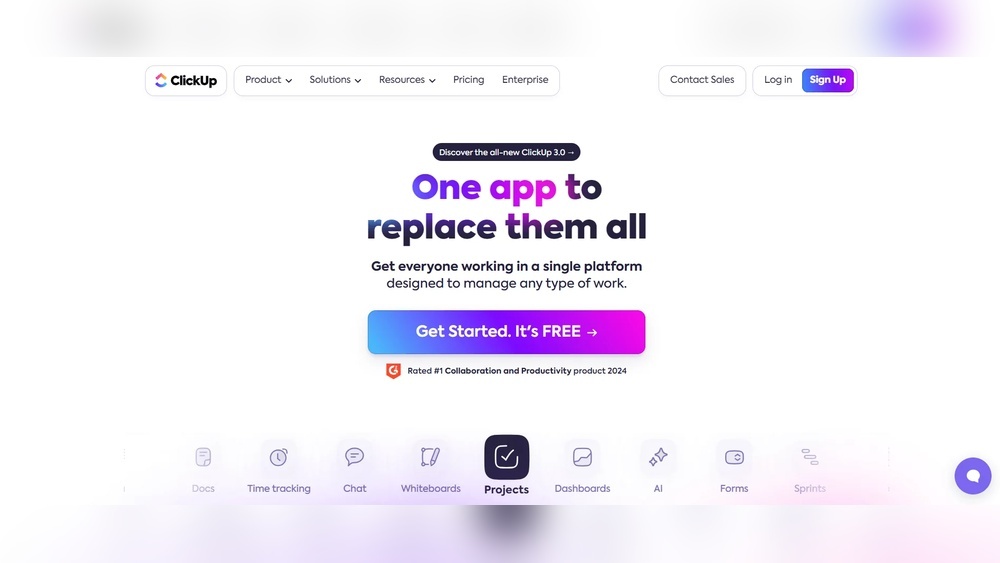
ClickUp is a versatile project management and collaboration platform. It aims to replace many tools by combining tasks, chats, docs, and AI features in one place.
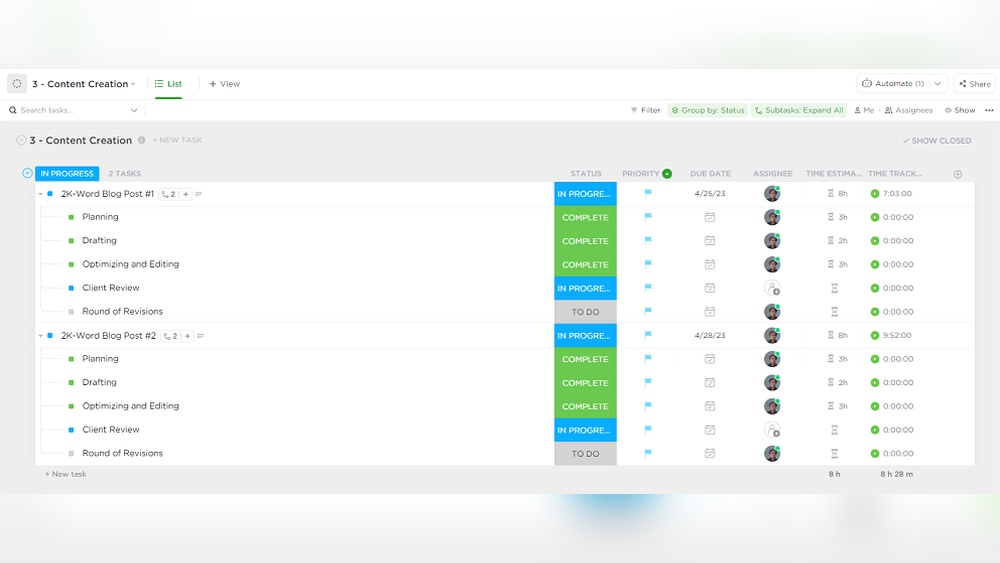
- Task Management: Create, assign, and track tasks with various views like Kanban and lists.
- Collaboration Tools: Chat, comments, and document sharing for team communication.
- Project Planning: Manage deadlines, sprints, and workflows smoothly.
- AI Integration: Use AI to save time and work with better context.
ClickUp fits teams that want to manage projects and communication without switching apps.
Why Comparing Agile Crm And Clickup Matters For Smart Business Choices
Both tools improve business efficiency but focus on different areas. Choosing the right one depends on your main goals and workflow style.
| Feature | Agile CRM | ClickUp |
|---|---|---|
| Primary Use | Customer Relationship Management | Project and Task Management |
| Automation | Marketing and Sales Automation | Workflow and Task Automation |
| Collaboration | Limited Team Collaboration Features | Robust Team Communication and Collaboration |
| Ease of Use | Focused on Sales Teams | Flexible for Various Teams and Projects |
| AI Features | Basic Automation | Advanced AI Tools for Time Saving |
This comparison guides businesses to pick tools that match their sales or project needs. Clear understanding saves time, money, and improves teamwork.

Credit: www.fahimai.com
Key Features Of Agile Crm
Agile CRM offers a rich set of features designed to streamline business processes. It combines contact management, sales automation, marketing, and customer service tools in one platform. These features help companies build stronger relationships with clients and boost sales efficiency.
Comprehensive Contact Management And Sales Automation
Agile CRM provides centralized contact management that keeps all customer details in one place. Users can track interactions, segment contacts, and manage leads easily. The system supports:
- Lead scoring and tracking
- Deal and pipeline management
- Automated task reminders
- Email tracking and templates
Sales automation helps teams close deals faster by automating repetitive tasks. Workflows can be set to nurture leads and follow up on prospects without manual effort.
Marketing Automation Capabilities And Their Business Impact
Marketing automation in Agile CRM allows businesses to run targeted campaigns. It includes:
- Email marketing with drag-and-drop design
- Behavior-based segmentation
- Web engagement tracking
- Social media integration
These tools increase lead engagement and improve conversion rates. Automated marketing nurtures prospects efficiently, saving time and reducing errors.
Customer Service Tools And Their Role In Enhancing Client Relations
Agile CRM offers built-in customer support features. These include:
- Helpdesk ticketing system
- Live chat integration
- Knowledge base management
- Customer feedback collection
These tools help teams resolve issues quickly and maintain positive client relationships. Quick responses and easy access to support information boost customer satisfaction.
Affordability And Ease Of Use For Small To Mid-sized Businesses
| Feature | Details |
|---|---|
| Pricing | Competitive plans suitable for small and mid-sized businesses |
| User Interface | Simple and intuitive design for fast onboarding |
| Setup | Minimal technical skills required for installation and use |
| Support | Accessible customer support and online resources |
Agile CRM balances powerful features with affordability. Small teams can adopt it quickly without large budgets or complex training.
Key Features Of Clickup
ClickUp stands out as a versatile tool designed to improve productivity and teamwork. It combines project management, task automation, and collaboration in one platform. Teams can manage projects with agility and customize workflows to fit their needs. The platform supports hybrid and cross-functional teams by offering clear, simple tools.
Project Management With Agile Methodology Support
ClickUp supports Agile project management by offering flexible tools suited for iterative work. It allows teams to plan and track work in short cycles called sprints. Users can easily adjust tasks based on feedback and changing priorities. This approach helps teams deliver work faster and with better quality.
The interface is user-friendly, making it easy for all team members to participate in Agile processes. ClickUp also supports backlog management, helping teams organize tasks waiting to be done.
Customizable Workflows And Task Automation Benefits
ClickUp lets teams create custom workflows that match their unique processes. Users can design task stages, set rules, and automate repetitive actions. Task automation reduces manual work and speeds up task flow.
- Automate status changes
- Set reminders and notifications
- Assign tasks automatically
- Integrate with other apps for seamless work
This customization saves time and ensures consistency across projects.
Collaboration Tools For Hybrid And Cross-functional Teams
ClickUp enhances teamwork by offering strong collaboration tools. It supports comments, real-time chat, and file sharing within tasks. Teams working remotely or in hybrid settings stay connected and aligned.
ClickUp’s features promote transparency. Everyone can see updates, deadlines, and progress in one place. Cross-functional teams benefit from shared views and easy access to project information.
Agile Features: Sprints, Backlogs, And Kanban Views Explained
ClickUp includes key Agile features to help teams organize and track work efficiently:
| Feature | Description | Benefit |
|---|---|---|
| Sprints | Time-boxed periods to complete a set of tasks. | Focus on delivering small, valuable work chunks. |
| Backlogs | Lists of tasks waiting to be worked on. | Organize priorities and plan future work. |
| Kanban Views | Visual boards showing task progress in columns. | Easy to track work status and spot bottlenecks. |
These features make Agile easy to adopt for teams new to the method. ClickUp’s less rigid setup suits hybrid teams well, balancing structure and flexibility.
Pricing And Affordability Comparison
Choosing the right software depends heavily on pricing and affordability. Both Agile CRM and ClickUp offer plans designed to fit various business needs and budgets. Understanding their pricing structures helps businesses decide which tool delivers better value without overspending.
Agile Crm Pricing Structure And Value For Money
Agile CRM offers a straightforward pricing model with tiered plans suited for small to medium businesses. Its key pricing points include:
- Free Plan: Includes basic CRM features for up to 10 users.
- Starter Plan: Around $8.99 per user/month, adds marketing automation and integrations.
- Regular Plan: Approximately $29.99 per user/month, includes advanced sales and service tools.
- Enterprise Plan: Custom pricing with full feature access and priority support.
Agile CRM provides a good balance of features and cost, especially for businesses wanting integrated sales, marketing, and service automation. The free plan supports small teams, and paid plans scale well with added tools.
Clickup Pricing Tiers And Cost-effectiveness
ClickUp’s pricing is competitive and flexible, built to serve teams of all sizes. Its main pricing tiers are:
| Plan | Price (per user/month) | Key Features |
|---|---|---|
| Free | $0 | Unlimited tasks, 100MB storage, basic views |
| Unlimited | $5 | Unlimited storage, integrations, dashboards |
| Business | $12 | Advanced automation, goals, time tracking |
| Enterprise | Custom | Advanced security, custom onboarding, support |
ClickUp’s free tier is generous for small teams or individuals. Paid tiers unlock powerful project management and AI features that help teams save time and stay organized.
Which Solution Offers Better Roi Based On Business Size And Needs
Small businesses and startups often gain more from Agile CRM’s free and low-cost plans with built-in marketing tools.
Teams focused on project management and collaboration find ClickUp more cost-effective, especially with its unlimited tasks and automation.
- Small Businesses: Agile CRM offers CRM-specific features with less setup.
- Growing Teams: ClickUp scales well with project complexity and team size.
- Enterprises: Both offer enterprise plans, but ClickUp provides more customization and AI tools.
Return on investment depends on specific workflows. Agile CRM suits sales-driven businesses. ClickUp fits teams needing a versatile, all-in-one platform.
Pros And Cons Based On Real-world Usage
Understanding the strengths and weaknesses of Agile CRM and ClickUp helps users choose the right tool. Real-world use reveals how each platform performs in daily tasks and team collaboration. This section breaks down their pros and cons from practical experience.
Agile Crm Strengths And Limitations In Daily Operations
Agile CRM excels in customer relationship management with built-in sales and marketing automation. Users appreciate its easy contact management and email tracking features.
- Strengths:
- Simple interface for managing sales pipelines
- Integrated marketing automation tools
- Affordable pricing for small businesses
- Good customer support and onboarding
- Limitations:
- Less flexible for project management tasks
- Limited customization for complex workflows
- Occasional syncing issues reported by users
- Mobile app can feel less responsive
Clickup Advantages And Challenges For Agile Teams
ClickUp offers a versatile platform combining project management with CRM-like features. It supports agile methodologies like sprints and Kanban views.
| Advantages | Challenges |
|---|---|
|
|
User Satisfaction Insights And Common Feedback Points
Users of both platforms share common feedback that highlights their daily realities.
- Agile CRM users: Appreciate ease of use for sales but want better project tools.
- ClickUp users: Value flexibility but note setup complexity and occasional slowdowns.
- Both: Desire smoother integrations with other apps.
- Customer support: Agile CRM scores higher for responsiveness.
- Customization: ClickUp leads but needs time investment.
Summary: Agile CRM suits sales-focused teams needing simplicity. ClickUp fits agile teams seeking all-in-one project and task management with CRM-like options.
Ideal Use Cases And Recommendations
Choosing the right tool depends on your business needs and workflow style. Both Agile CRM and ClickUp offer unique features suited for different scenarios. Understanding their strengths helps in picking the best fit or combining both for better results.
When To Choose Agile Crm: Best Scenarios And Business Types
Agile CRM excels in managing customer relationships with a focus on sales and marketing automation. It suits businesses that need a structured CRM to track leads, automate email campaigns, and manage sales pipelines.
- Small to medium-sized sales teams
- Businesses requiring integrated marketing and sales tools
- Companies focused on lead nurturing and customer engagement
- Teams looking for easy-to-use automation in CRM
Its built-in sales pipeline and marketing automation features reduce manual tasks and improve customer follow-up efficiency.
When Clickup Is The Better Choice: Recommended Use Cases
ClickUp is ideal for teams needing flexible project management combined with some CRM capabilities. It supports agile workflows like sprints, Kanban boards, and backlogs without the complexity of traditional agile tools.
- Hybrid teams (product, marketing, design) adopting agile methods
- Projects requiring task tracking, time management, and collaboration
- Businesses that want one platform for tasks, chat, documents, and goals
- Teams preferring customization and integration over rigid CRM pipelines
ClickUp requires manual setup for sales pipelines, which can be a drawback for pure sales teams but offers great flexibility for project-focused teams.
Integrating Agile Crm And Clickup For Enhanced Productivity
Combining Agile CRM and ClickUp leverages the strengths of both platforms. Agile CRM handles customer relationship management and sales automation.
ClickUp manages projects, tasks, and team collaboration. Integration helps synchronize customer data and project workflows, reducing duplicate entries and improving communication.
| Benefit | Agile CRM Role | ClickUp Role |
|---|---|---|
| Lead and Contact Management | Centralized sales pipeline and marketing automation | Task and project tracking related to sales activities |
| Team Collaboration | Automated notifications and customer engagement | Real-time chat, task comments, document sharing |
| Workflow Automation | Trigger-based email campaigns and follow-ups | Custom workflows, agile boards, and time tracking |
Such integration streamlines sales and project processes, saving time and improving team coordination.
Conclusion: Making The Smart Business Choice
Choosing between Agile CRM and ClickUp can shape your business efficiency. Both tools offer unique strengths tailored to different needs. Understanding their differences helps in selecting the right fit for your team.
Summary Of Key Differences And Strengths
| Feature | Agile CRM | ClickUp |
|---|---|---|
| Primary Purpose | Customer relationship management with sales pipeline | Project management with CRM-like features |
| Agile Support | Basic agile tools for sales and marketing | Advanced agile tools: sprints, backlogs, Kanban views |
| Ease of Use | Designed for sales teams, less setup complexity | Flexible but requires manual workflow setup for CRM |
| Integration | Strong CRM integrations with marketing tools | All-in-one app combining AI, chat, projects, and more |
| Pricing Focus | Cost-effective for CRM features | Cost-saving by replacing multiple software tools |
Decision Factors To Consider Before Choosing
- Business Needs: Prioritize CRM or project management?
- Team Structure: Sales-focused or cross-functional teams?
- Setup Time: Prefer ready-to-use or customizable workflows?
- Agile Usage: Require strict agile methods or flexible approach?
- Budget: Consider total cost including integrations and add-ons.
- Scalability: Need software that grows with your business?
- Tech Comfort: Level of team’s technical skill and training time.
Final Thoughts On Agile Crm Vs Clickup For Business Success
Agile CRM fits businesses focused on customer relations and sales growth. It offers easy setup and strong marketing integrations.
ClickUp suits teams needing a versatile platform. It combines project management, AI, and communication in one place.
For teams blending agile project work with some CRM needs, ClickUp provides flexibility. Sales teams wanting a dedicated pipeline will prefer Agile CRM.
Choosing the right tool depends on your team’s goals, work style, and budget limits.

Credit: switchonbusiness.com
Frequently Asked Questions
Is Clickup Good For Agile?
ClickUp supports agile with features like sprints, backlogs, and Kanban boards. It suits hybrid teams seeking flexible agile workflows without complexity.
Is Clickup Good As A Crm?
ClickUp offers basic CRM features but lacks a dedicated sales pipeline. It requires manual setup for sales workflows.
What’s Better Than Clickup?
Wrike, Basecamp, and Smartsheet offer strong alternatives to ClickUp with specialized features for complex workflows, team communication, and scalable project management. Each excels in different areas, depending on your team’s needs and project complexity. Choose based on specific functionality and ease of use.
Is Agile Crm Good?
Agile CRM is a cost-effective, user-friendly tool ideal for small to mid-sized businesses. It offers marketing automation and contact management to boost productivity. Its comprehensive features help streamline sales and marketing operations efficiently.
Conclusion
Choosing between Agile CRM and ClickUp depends on your specific needs. Agile CRM suits businesses focused on marketing and sales automation. ClickUp excels in project management with some CRM features. ClickUp offers flexibility for teams managing tasks and projects together. Agile CRM provides ready-made sales pipelines and marketing tools. Consider your priorities: project tracking or customer relationship management. Both tools have strengths that fit different workflows. Explore ClickUp’s features and see if it matches your style by visiting ClickUp. Make an informed choice for better team collaboration and efficiency.